Understanding Sheet Metal Fabrication
Sheet metal fabrication encompasses a wide range of processes — cutting, bending, forming, welding, and finishing — that transform flat metal sheets into functional components and assemblies. It is used across virtually every industry, from automotive and aerospace to HVAC and consumer electronics.
Key Processes to Understand
Cutting
Modern sheet metal cutting includes laser cutting, plasma cutting, waterjet cutting, and turret punching. Each process has different capabilities in terms of material thickness, precision, edge quality, and cost. Understanding which process is best for your application is crucial for getting accurate quotes.
Forming and Bending
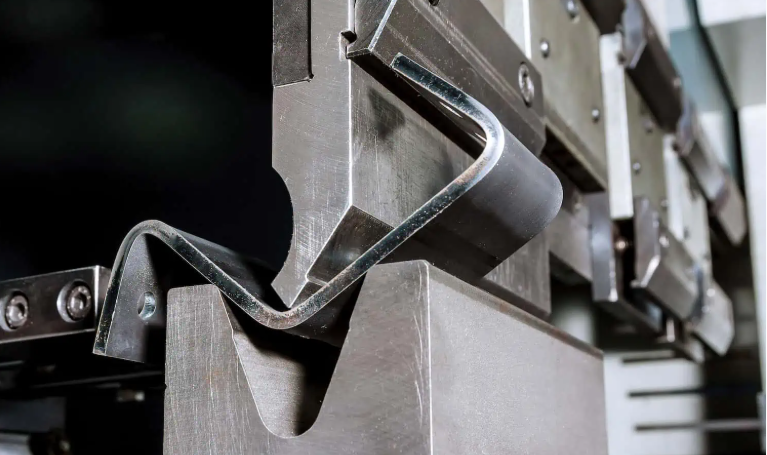
Press brake bending, roll forming, and stamping each offer different advantages depending on part geometry, volume, and material. Complex bends may require CNC press brakes with multi-axis backgauges, while simple bends can be done on manual equipment.
Welding and Assembly
MIG, TIG, spot welding, and robotic welding each serve different applications. The welding process affects both cost and quality, so specifying the right process for your application is important.
Finishing
Powder coating, painting, plating, anodizing, and other finishing processes add both aesthetic and functional value to sheet metal parts. Specify finishing requirements clearly to avoid surprises in quoting and production.
What to Look for in a Sheet Metal Supplier
Equipment and capability — Does the supplier have the right equipment for your parts? A shop with a fiber laser and CNC press brakes will produce different results than one with older CO2 lasers and manual brakes.
Material expertise — Different metals (steel, stainless, aluminum, copper, brass) require different handling. Ensure your supplier has experience with your specific material and thickness range.
Volume capability — Some shops specialize in prototypes and short runs, while others are set up for high-volume production. Match the supplier to your volume requirements.
Quality certifications — ISO 9001 is a baseline. For aerospace or defense work, look for AS9100 or ITAR registration. For automotive, IATF 16949 may be required.
How TPS Simplifies Sheet Metal Sourcing
At TPS, sheet metal fabrication is one of our core sourcing competencies. We maintain relationships with dozens of qualified sheet metal fabricators across the country, each with different specialties and capabilities. When you bring us a sheet metal project, we match you with the supplier whose capabilities, capacity, and pricing best fit your specific needs.
Getting Better Quotes
To get accurate, competitive quotes for sheet metal fabrication, provide complete drawings with dimensions, tolerances, material specifications, finish requirements, and expected volumes. The more information you provide upfront, the more accurate your quotes will be — and the fewer surprises you will encounter during production.